Have you ever been out in your garden and noticed half eaten leaves, ripped buds, or damaged tree trunks? You might be getting a visit from guest that’s wreaking havoc on your garden.
Deer can do a ton of damage to your plants. Deer can eat up to 4 lbs of food a day, eating your entire plant down to a stump. Tree bark can be shredded by antler rubbing and and all your fruit and berries will be missing from your harvest. Any plants left are susceptible to disease, not to mention if you have pets they can also pick up diseases left behind by the deer.
Deer generally like fruit, vegetables, bark, twigs, buds, flowers, and new growth. So what don’t they like?We’ve compiled a list of plants including: Annuals, Perennials, Herbs, Shrubs, & Trees that we have found to be least attractive to our fuzzy friends.
You may notice some plants are listed as annual and perennial. This is due to different varieties of these plants having different zone ratings. Please research what zone you live in and be aware that zone ratings may vary by 1-2 depending on how extreme our weather is each year.
Annuals
Ageratum
Angel’s Trumpet
Alyssum
Begonia, Fibrous
Begonia, Wax
Calendula
Cleome
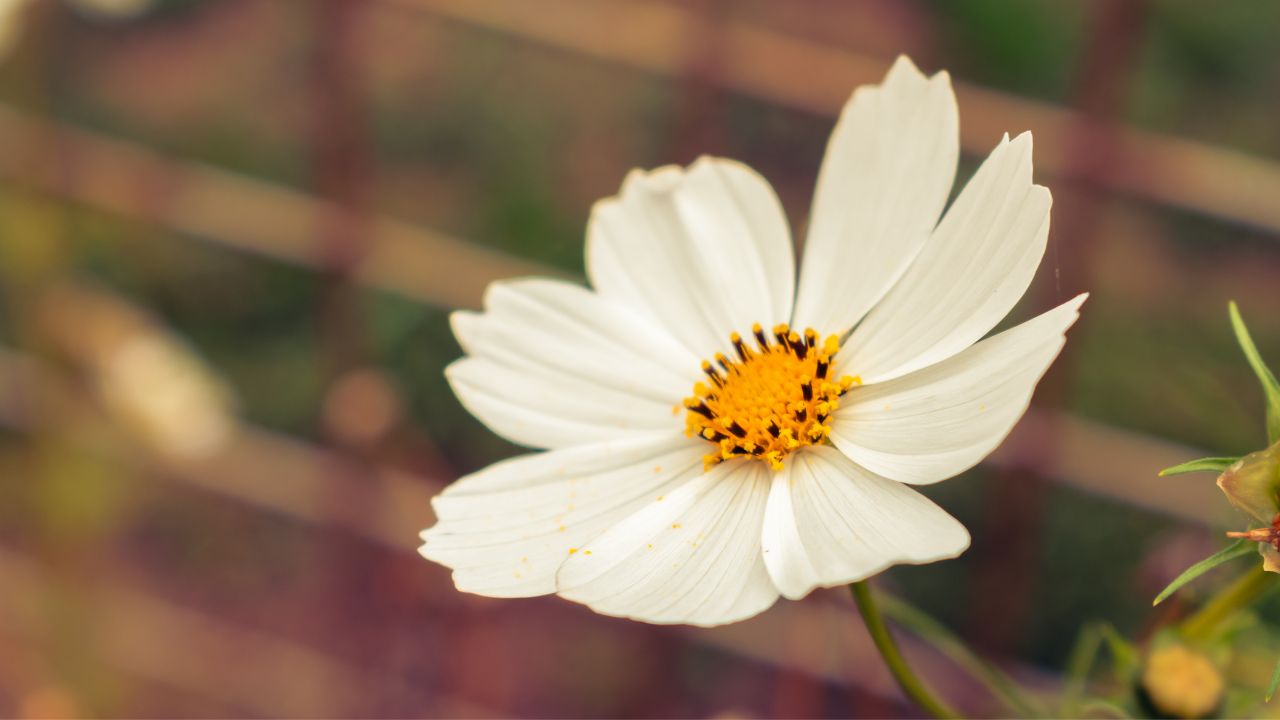
Cosmos
Dahlia
Dusty Miller
Forget-me-not
Gazania
Geranium, Zonal
Impatiens
Marigold
Mimulus
Nicotiana
Petunias
Poppy-California
Salvia
Snapdragon
Strawflower
Sunflower
Verbena
Vinca
Zinnia
Perennials
Acanthus (Bears Breech)
Achillea (Yarrow)
Aconitum (Monkshood)
Agapanthus (Lily of the Nile)
Agastache (Hyssop)
Ajuga (Carpet Bugle)
Alchemilla (Ladys Mantle)
Allium (Chives)
Anemone (Windflower)
Anthemis (Marguerite)
Aquilegia (Columbine)
Arabis (Rockcress)
Armeria (Thrift)
Artemisia (Mugwort, Worm-Wood)
Aruncus (Goats Beard)
Asarum (Wild Ginger)
Asclepias (Butterfly Weed)
Aster Astilbe (False Spirea)
Campanula (Bellflower)
Centaurea (Cornflower)
Ceratostigma (Plumbago)
Cimicifuga (Snakeroot)
Convallaria (Lily of the Valley)
Coreopsis (Tickseed)
Crocosmia (Crocosmia)
Delphinium (Larkspur)
Dicentra (Bleeding Heart)
Digitalis (Foxglove)
Echinacea (Purple Coneflower)
Erigeron (Fleabane)
Erysimum (Wallflower)
Euphorbia (Spurge)
Felicia (Blue Marguerite)
Ferns
Gaillardia (Blanket Flower)
Geranium (Cranesbill)
Helleborus (Lenten Rose,)
Hypericum (St.John Wort)
Iberis (Candytuft)
Iris
Kniphofia (Red-hot-poker)
Lamium (Nettle)
Lantana Lavandula (Lavender)
Limonium (Statice)
Lupinus (Lupine)
Lychnis (Catchfly)
Monarda (Bee Balm)
Myosotis (Forget-me-not)
Nepeta (Catmint)
Papaver (Poppy)
Penstemon (Beard Tongue)
Phlox (Creeping Phlox)
Rosmarinus (Rosemary)
Salvia (Sage)
Santolina (Lavendercotton)
Scabiosa (Pincushion)

Herbs
Artemisia
Basil
Chamomile
Chives
Coriander
Dill
Fennel
Garden Sage
Greek Jerusalem Sage
Lavender
Lemon Balm
Marjoram
Mint
Oregano
Parsley
Rosemary
Tarragon
Thyme

Shrubs
Abelia
Aesculus (Buckeye)
Bamboo
Berberis (Barberry)
Buddleia (Butterfly Bush)
Buxus (Boxwood)
Callistemon (Bottle Bush)
Calluna (Heather)
Ceanothus (California Lilac)
Chaenomeles (Quince)
Choisya (Mexican Orange)
Cistus (Rockrose)
Cotoneaster
Daphne
Elaeagnus
Erica (Heather)
Hypericum (St John Wart)
Ilex (Holly)
Juniperus (Juniper)
Kerria
Lavatera (Tree Mallow)
Mahonia
Nandina (Bamboo)
Palms
Potentilla
Pyracantha (Firehorn)
Rhododendron
Rhus (Sumac)
Ribes (Current)
Sarcococca (Sweet Box)
Spiraea
Syringa (Lilac)
Vaccinium (Huckleberry)
Viburnum

Trees
Abies (Fir)
Acer circinatum (Vine Maple)
Acer palmatum (Japanese)
Albizia julibrissin (Silk Tree)
Cedrus (Cedar)
Chamaecyparis (False Cypress)
Crataegus (Hawthorn)
Cupressus (Cypress)
Eucalyptus
Fig, edible
Fraxinus (Ash)
Ginkgo biloba (Maidenhair tree)
Juniperus (Juniper)
Magnolia
Palms
Picea (Spruce)
Pinus (Pine)
Pseudotsuga menziesii (Douglas Fir)
Quercus (Oak)
Rhus (Sumac)
Sequoia sempervirens (Coast Redwood)
Taxus (Yew)